Repair Panel Guides

Rocker panel vs rocker skin: What’s the difference?

Rocker panel and rocker skin are often used in the same conversation, but they do not always describe the same replacement part. The difference matters when rust has affected more than the visible surface below the doors.

Before ordering, it is important to understand how much of the rocker area needs repair and what the product actually includes. A panel designed to replace the visible outer section cannot automatically repair damage hidden deeper inside the body.

What is the rocker panel?

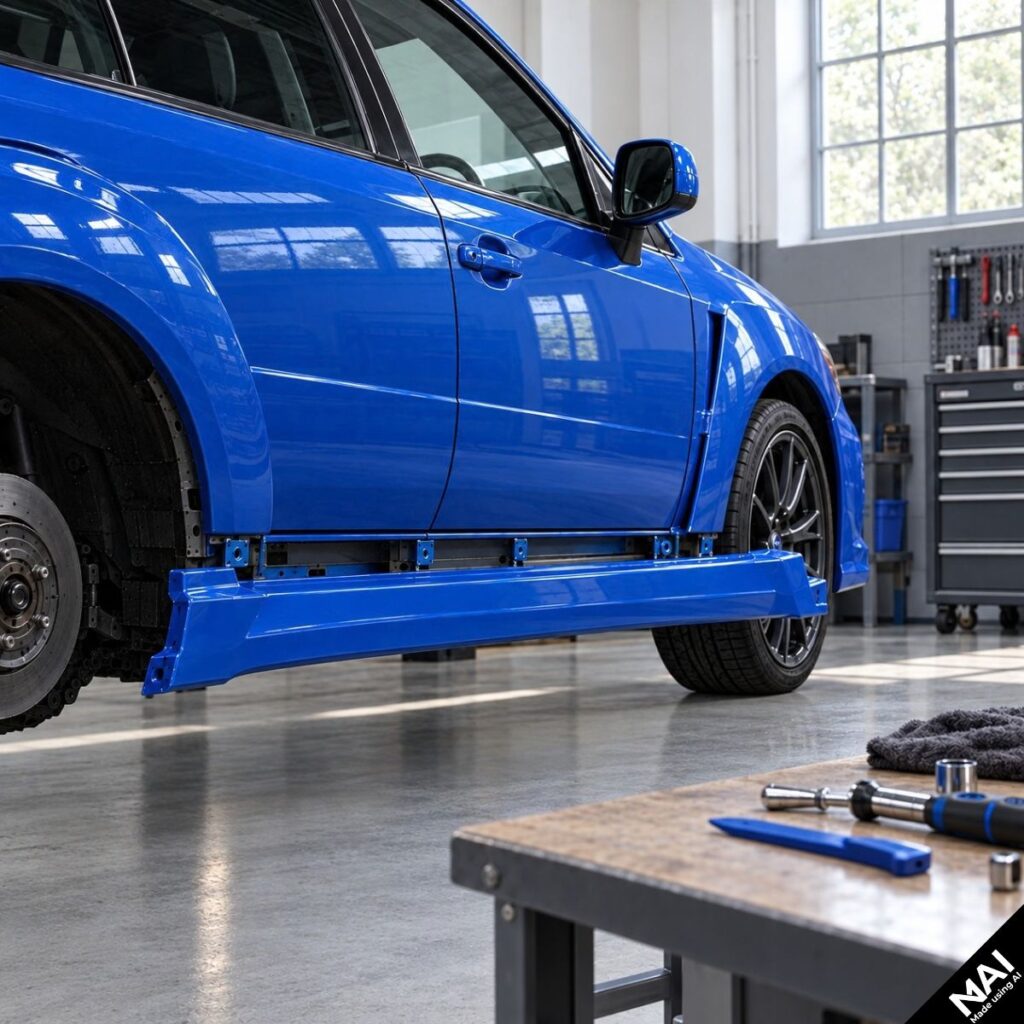
The rocker area runs along the lower side of the vehicle beneath the doors, between the front and rear wheel openings. On a unibody car, this area is made up of more than the exterior surface that you can see.

Depending on the vehicle, the rocker structure can include an outer panel, inner sections and additional reinforcement. This is why visible rust on the outside does not always show the full condition of the metal underneath.

When a product is described simply as a rocker panel, check the listing carefully to see exactly which part of this area it replaces.

What does rocker skin mean?

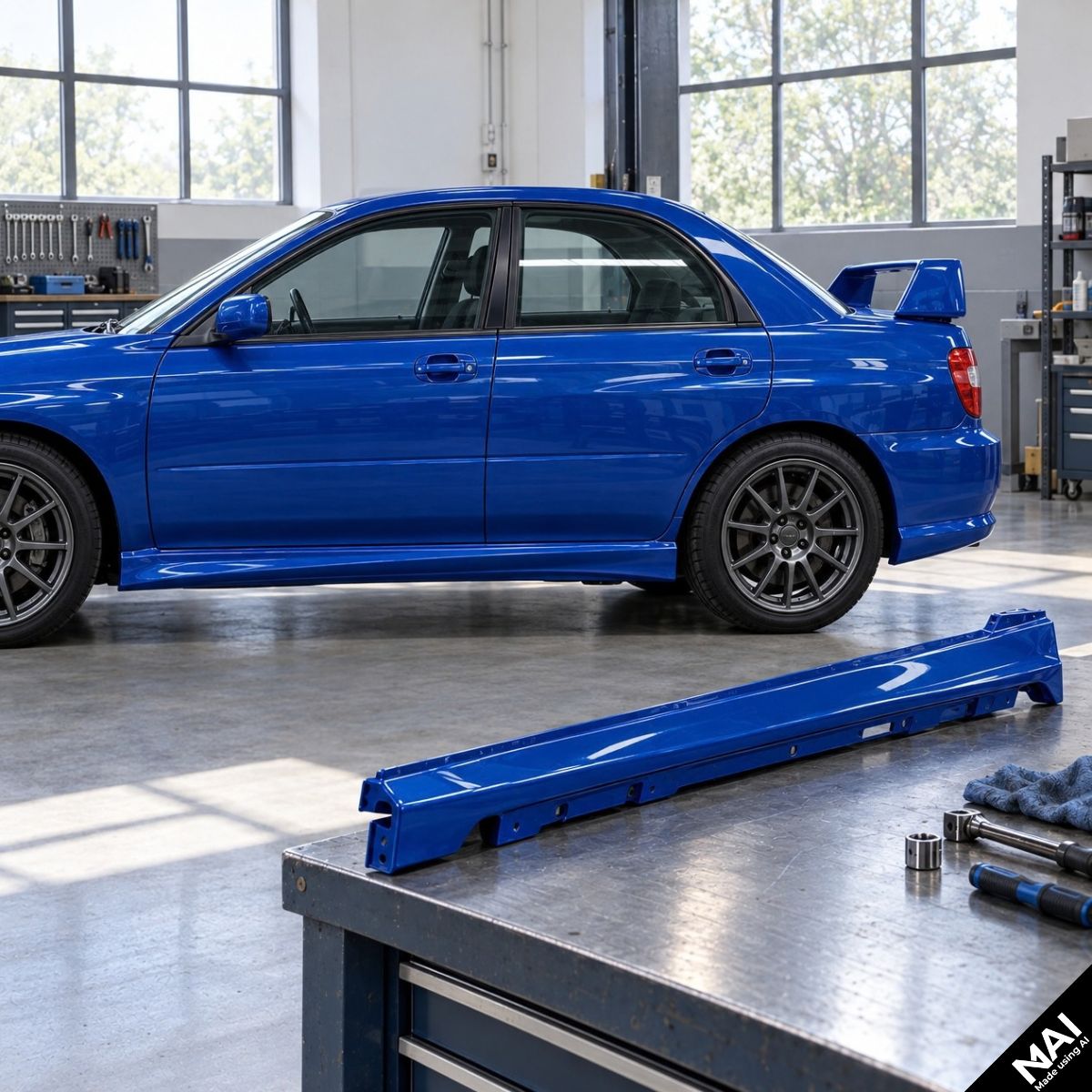
A rocker skin generally refers to an outer repair section intended to replace or cover the visible exterior part of the rocker area. It is usually less extensive than a complete rocker structure and does not automatically include the inner metal or reinforcement behind it.

The exact terminology can vary between manufacturers and sellers, so the word “skin” should not be used as the only basis for choosing a part. Look at the product description, dimensions and coverage to understand how much of the rocker the panel is designed to replace.

Check how deep the corrosion goes

The correct choice depends on the condition of the original rocker. If corrosion is limited to the outer metal, an outer repair section may be suitable. If rust has reached the inner rocker, reinforcements, seams or nearby floor area, replacing only the visible skin will not address the complete problem.

Rust in this area can develop from the inside and may be more extensive than it appears from outside. Before buying a panel, inspect the surrounding metal and, where possible, the condition behind the visible surface.

A rocker skin is not a cosmetic trim piece

Rocker skins and rocker repair panels should also not be confused with plastic side skirts or decorative rocker moldings. Those parts may cover the same area of the car, but they serve a different purpose.

A metal repair section is intended for body repair, while exterior trim usually sits over the bodywork. When shopping online, make sure the listing describes a steel body repair panel rather than a molding, cover or side skirt.

Compare the coverage before ordering

Two rocker repair products for the same vehicle can cover different amounts of metal. One may replace a longer outer section, while another may be intended only for a specific damaged area. The fact that both are called rocker panels does not mean they provide the same coverage.

Check where the panel begins and ends, whether it is an outer section or a more complete repair part, and whether it is side-specific. Model, chassis code, production year and body style still need to match the vehicle as well.

Choose the panel based on the actual repair

The best starting point is not the product name but the condition of the car. Determine which layers of the rocker are affected and how far the damage extends before choosing the replacement section.

If you are unsure which rocker repair panel fits your Subaru, send us the model, production year and photos of the damaged area. Clear images of the rocker from the outside and around the affected section can help narrow down which type of panel you need.