Fitment Guides

Subaru chassis codes explained for body panel fitment

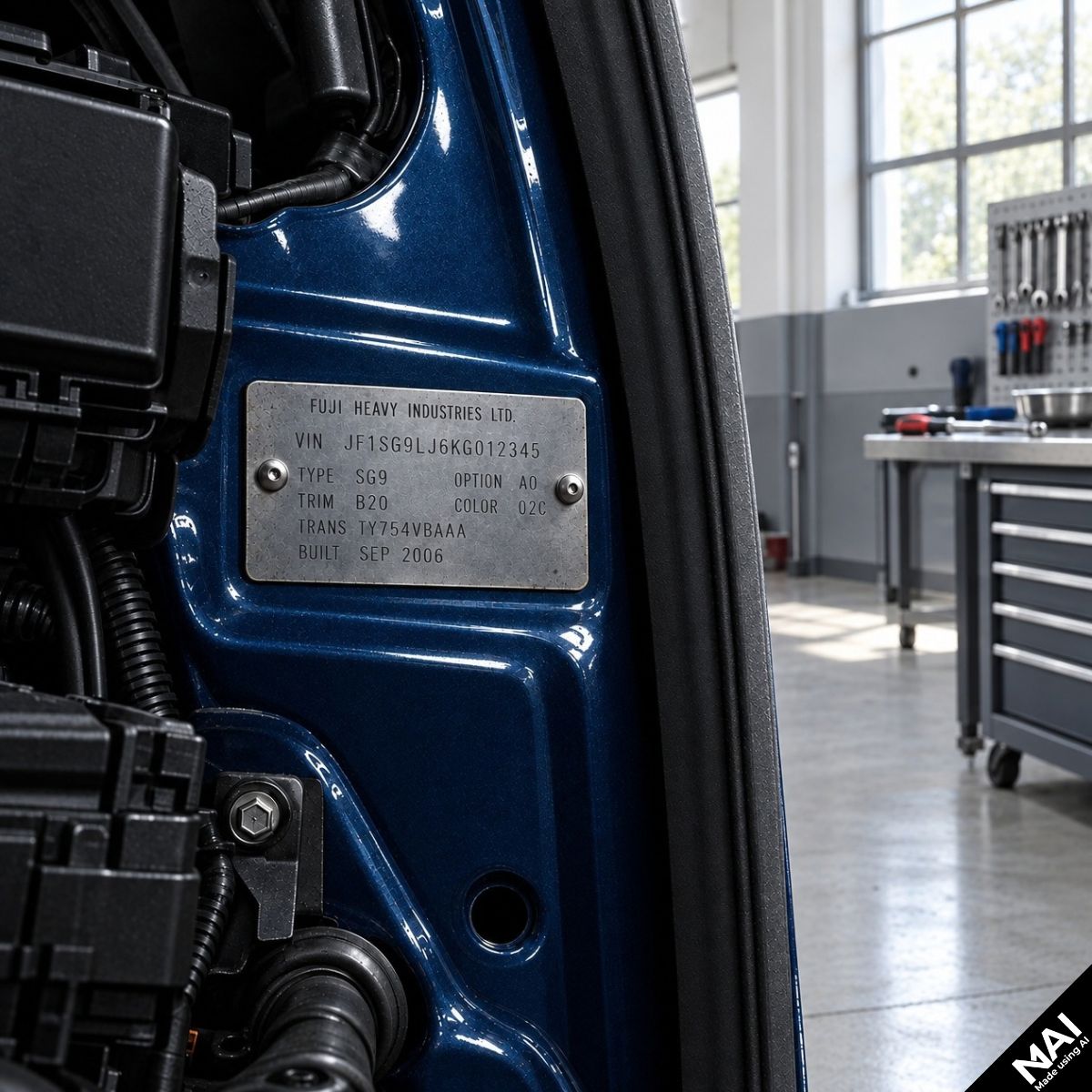
When buying a Subaru body repair panel, the model name and production year are useful starting points, but they do not always identify the exact body version. This is where chassis codes become important.

Codes such as GC, GF, GD, GG, SF and SG are widely used in Subaru parts listings because they help separate generations and body styles. Understanding these codes makes it much easier to compare a product with the car you are repairing.

What does a Subaru chassis code tell you?

A chassis code identifies a particular vehicle platform or body version more precisely than a name such as Impreza or Forester. The same model can remain in production across several generations, while its exterior panels, dimensions and body structure change significantly.

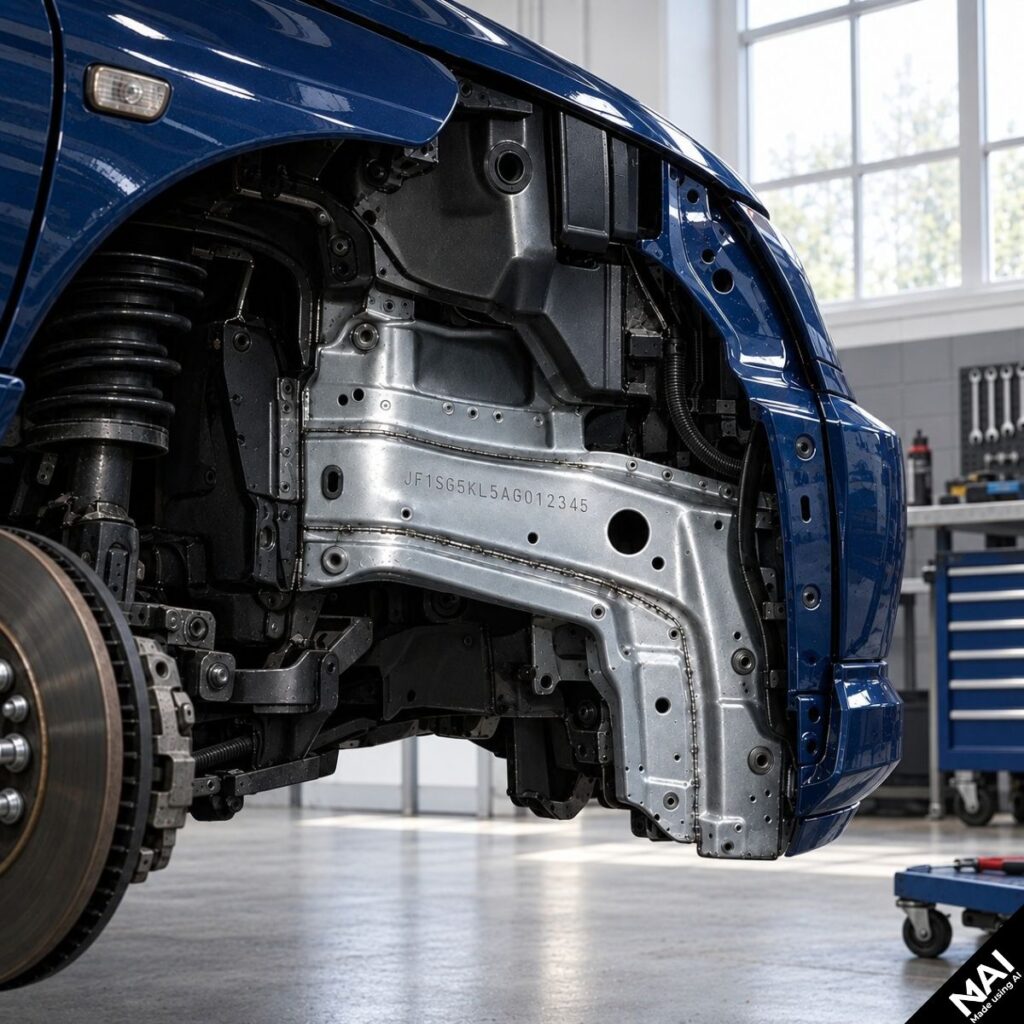
For body repair parts, this distinction matters because a wheel arch, rocker panel or inner repair section must follow the shape of the surrounding body. A panel intended for another generation may look similar in a photo but still have a different profile or length.

GC/GF and GD/GG Impreza codes

For earlier Impreza generations, GC and GF are commonly used to distinguish first-generation body versions, while GD and GG identify the following generation. Within these groups, the letters also help distinguish different body styles.

For example, GC is commonly associated with the sedan body and GF with the wagon, while GD and GG are used for sedan and wagon versions of the next generation. This distinction is particularly relevant when choosing panels around the rear quarter and wheel arch, where body shape can differ between versions.

SF and SG Forester codes

Forester parts are also commonly organised by chassis generation. SF identifies the earlier Forester generation, while SG refers to the generation that followed it.

Even though both are Foresters, their body construction and exterior panel shapes are different. A repair section listed for an SF should therefore not be assumed to fit an SG, or the other way around, unless the product information specifically confirms compatibility.

Why the year alone is not enough

Production year is useful, but it works best when combined with the chassis code. Model years can overlap around a generation change, and registration dates do not always provide enough information to identify the exact body version.

If a car sits close to the change between generations, use the chassis code, body style and product fitment information together. This gives a much stronger basis for choosing the correct repair panel than relying on a year alone.

Use the product listing as the final reference

Chassis codes make searching easier, but the final check should always be the fitment information on the individual product page. Compare the chassis code with the production range, body style and installation side shown for the panel.

If you cannot identify the chassis code with confidence, contact us with the Subaru model, production year and a photo of the damaged area. These details can help narrow down the correct body version and repair panel.