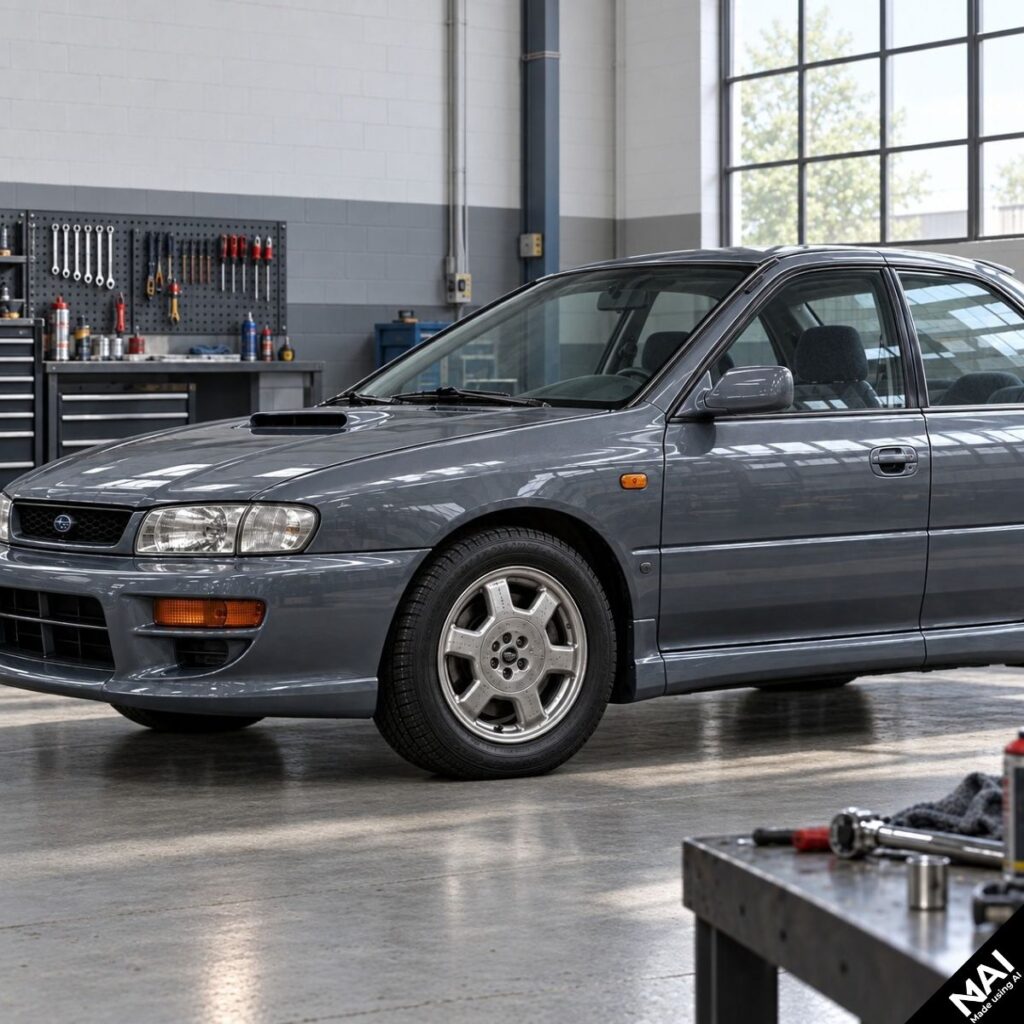
Fitment Guides

How to check model, year, body style and side before ordering a Subaru repair panel

Body repair panels are made to follow a specific section of the vehicle, so small differences in the car can make a large difference in fitment. Before ordering, check four basic details: model, production year, body style and installation side.

These details are usually enough to eliminate most incorrect options before you begin comparing individual products.

Confirm the model first

Start with the exact Subaru model. A repair panel designed for an Impreza, Forester or Legacy belongs to a different body structure, even if the damaged areas appear similar at first glance.

Once the model is confirmed, check which generation or chassis code it belongs to. This becomes especially important for models that were produced for many years and changed body design several times.

Compare the production year with the fitment range

Next, compare the vehicle’s production year with the range shown in the product listing. This helps identify whether the panel belongs to the same generation as the car.

Do not use the year as the only check when the vehicle is close to a generation change. In that situation, confirming the chassis code or body version can prevent confusion between two visually similar but incompatible panels.

Check the body style

Body style can affect the shape of rear body panels even within the same generation. Sedan and wagon versions, for example, can have different quarter panels, wheel arch profiles and surrounding structures.

If a listing specifies sedan, wagon or another particular body version, treat that information as part of the fitment requirement. Matching the model and year does not automatically mean every body style uses the same panel.

Confirm left or right

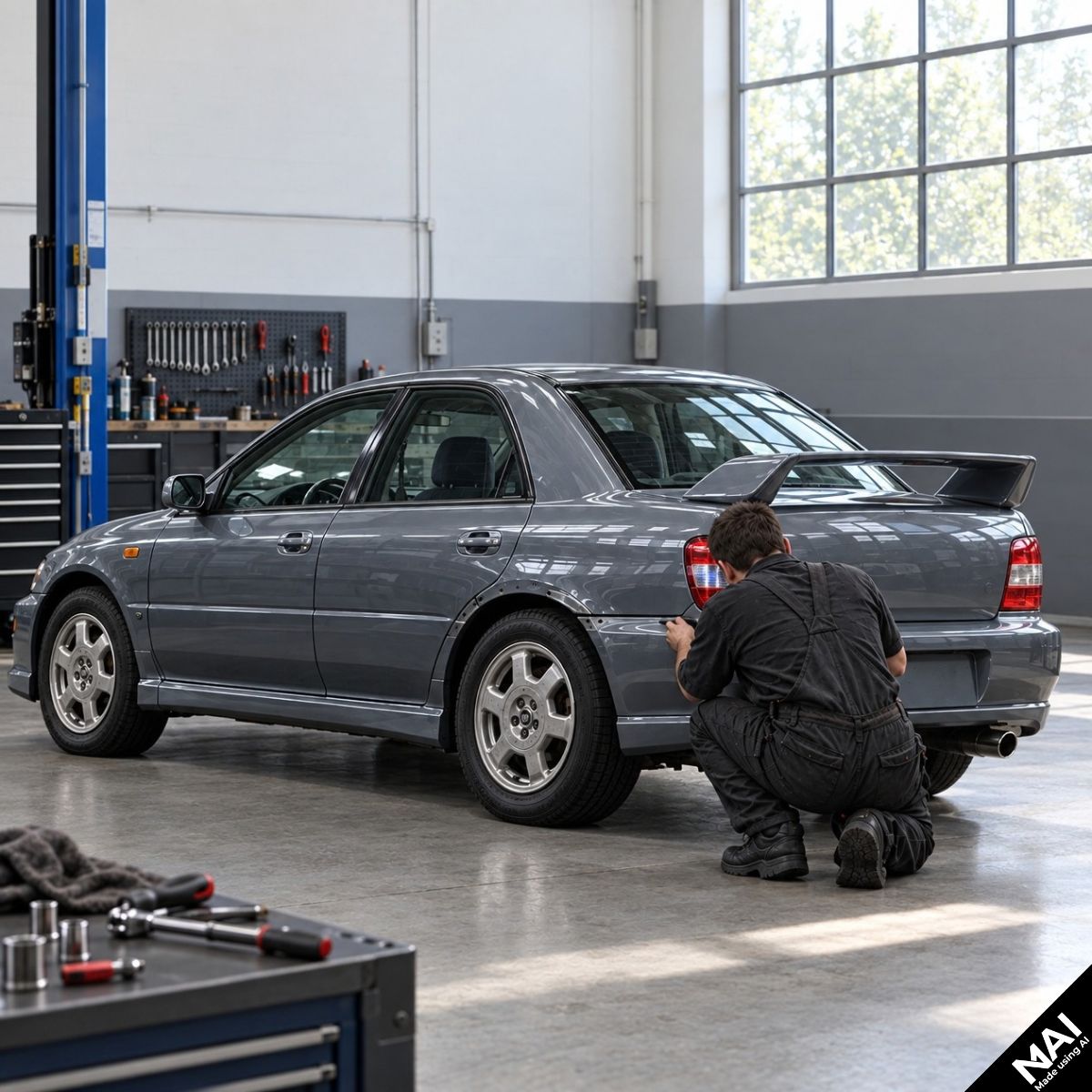
Many repair panels are made separately for each side of the car. Before ordering, identify whether the damaged section is on the left or right side and check the product name carefully.

When discussing automotive parts, left and right are normally considered from the vehicle’s driving position. This avoids the common mistake of choosing the side based on how the car appears when viewed from the front.

Do one check before checkout

Before placing the order, compare the product information with the car in one sequence: model, generation or chassis code, production year, body style and installation side.

If one of these details is uncertain, it is better to confirm it before ordering. A photo of the damaged area together with the basic vehicle information can also make identifying the correct repair section easier.